
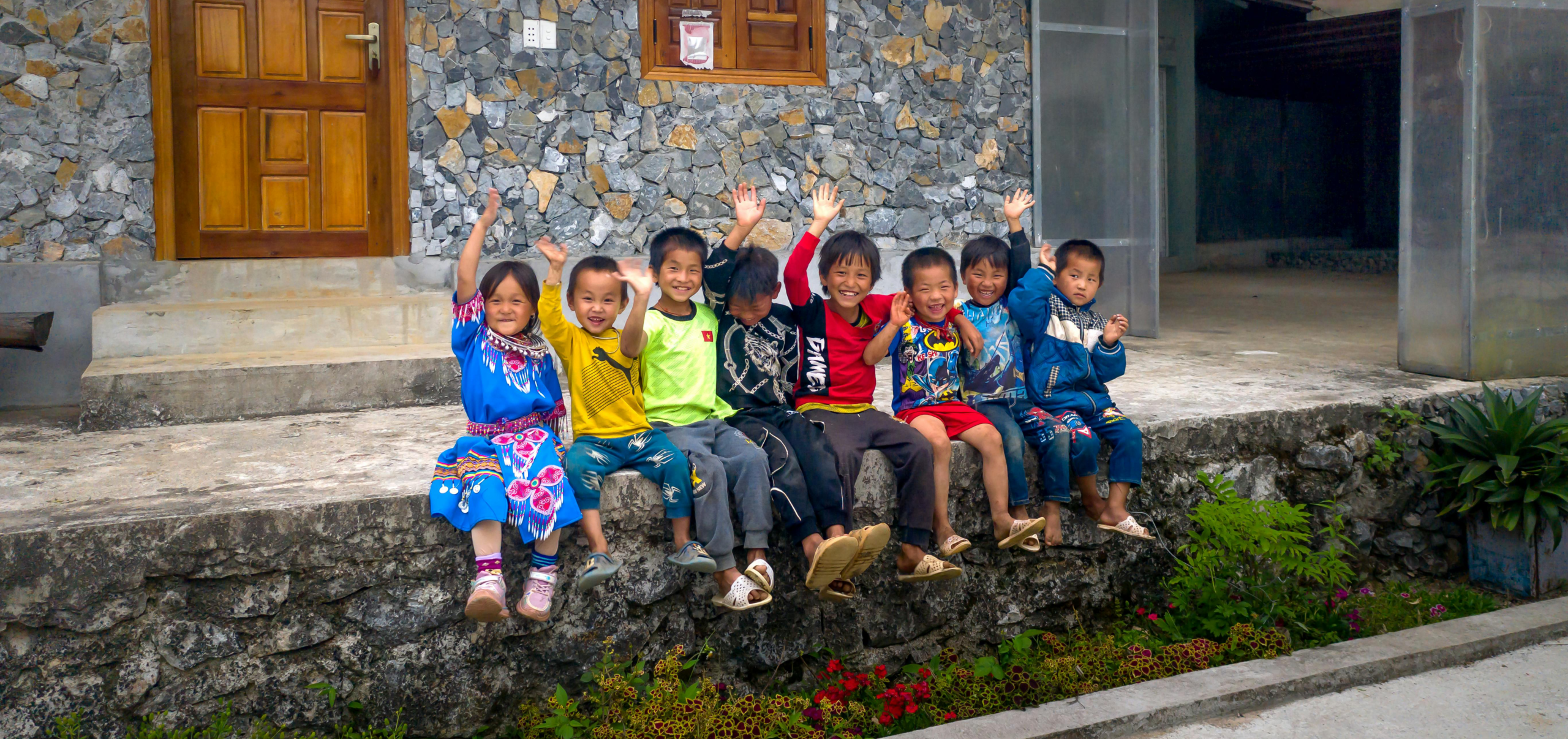

This is a memory from a three-month summer day camp I taught with a group of fourth-grade students. We drew and assembled this fruit cart together. I’ve kept this piece for many years.
Only recently, with the rise of AI, this fruit cart has sparked many new ideas for me.
- Project Type: Public Showcase
- Category: Concept Project. This is a fictional concept project and is not associated with any real brand, company, or third party
- Usage: Portfolio / Non-commercial
- Applications: Fanpage Facebook
- Collaborator: AI ( Chat-GPT )
- My Role: Graphic Designer
- My Job: Guiding students on how to use AI to create images for our class Fanpage

PROBLEM
After creating a fruit-laden bicycle, we use AI to expand those ideas into graphic products. This approach helps enhance children’s artistic skills and imagination.
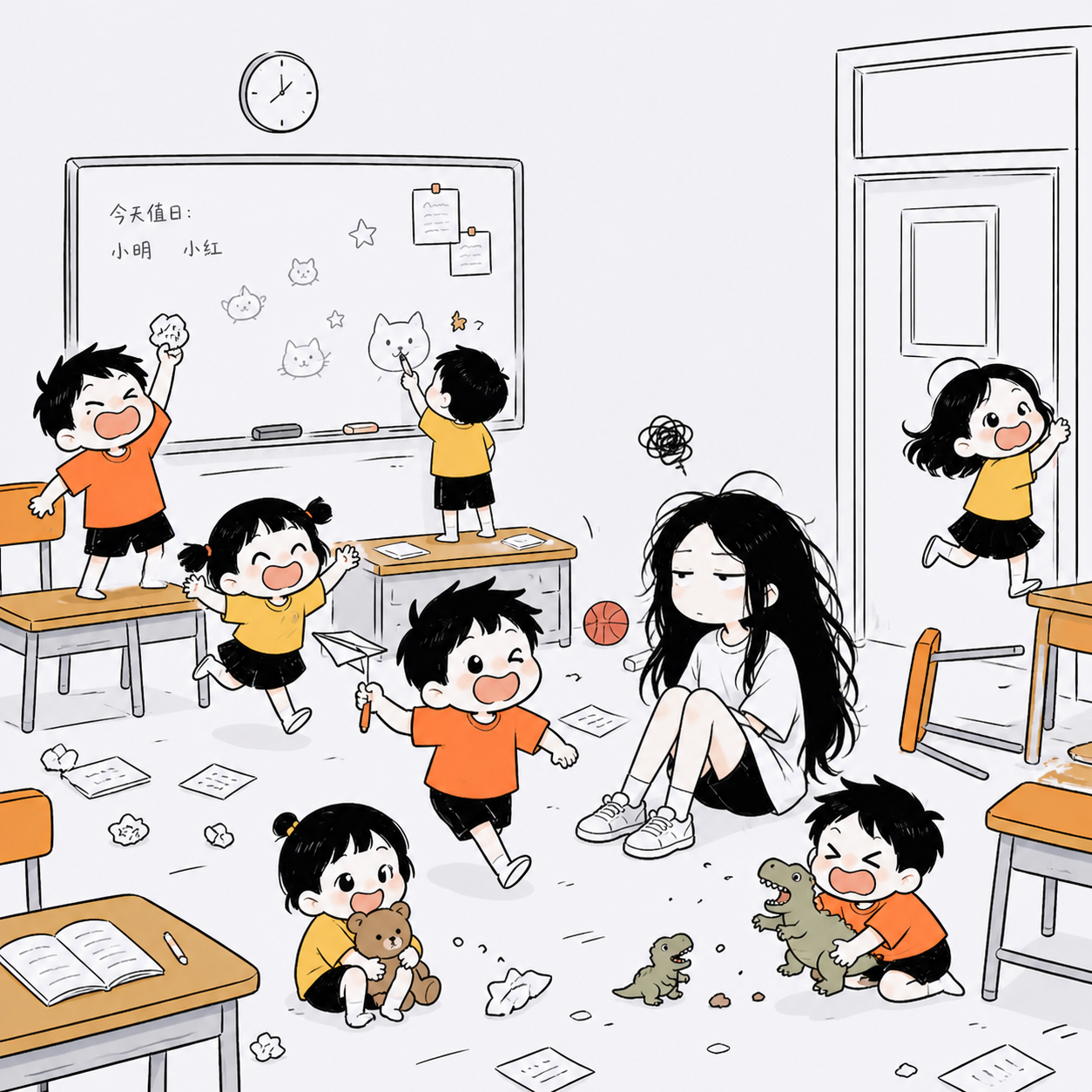
Children struggled with repetitive, text-heavy materials, leading to low attention and poor comprehension. The kids are well-behaved and energetic but need constant engagement, without something curious and engaging, they quickly lose focus.
SYSTEM
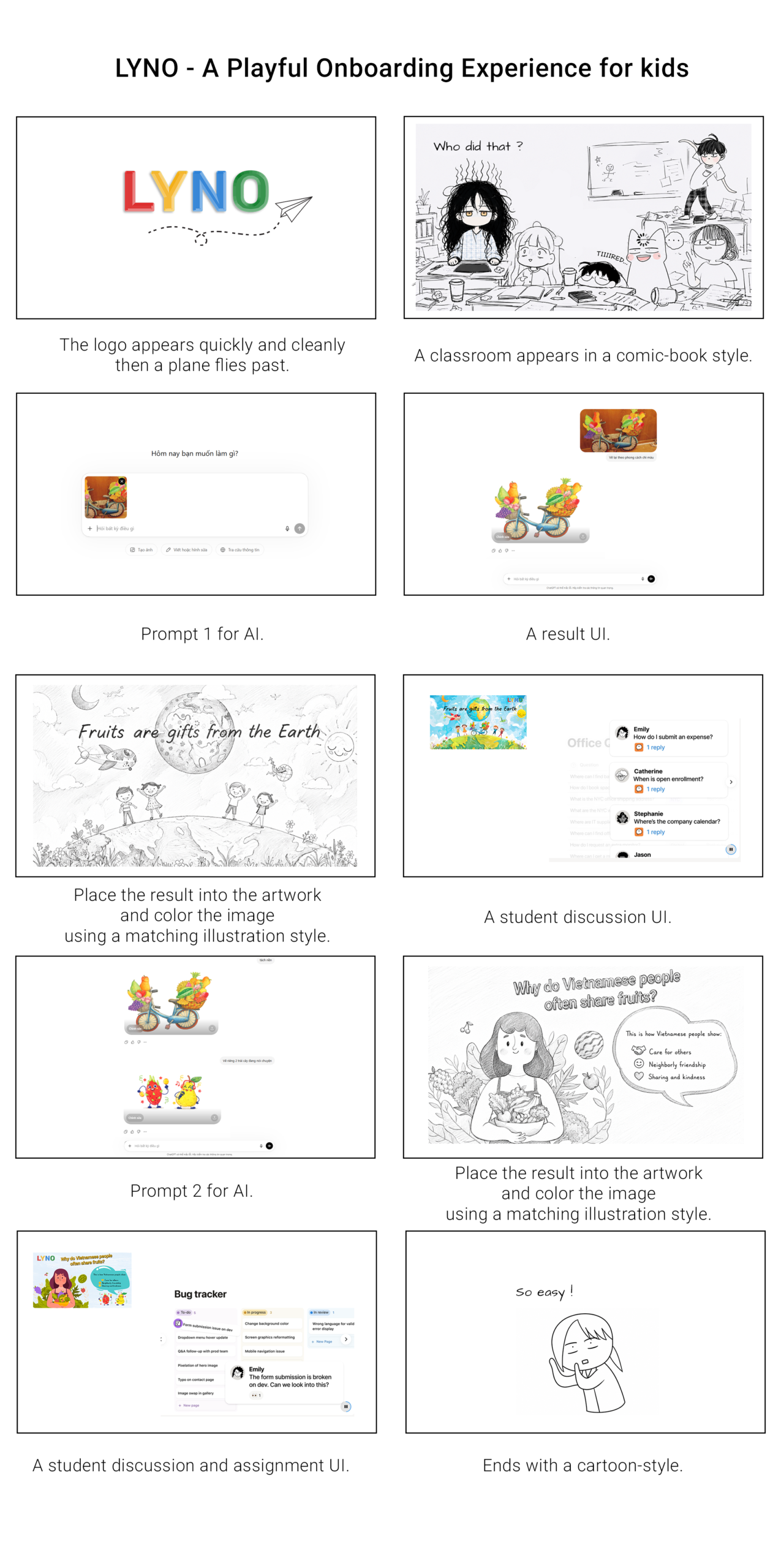
The system was designed with three layers applying across different stages of the learning journey.
- 🔵 Attention design to capture interest through visual storytelling and characters. Bright colors were used to maintain attention and reduce cognitive fatigue. Vietnamese cultural elements such as bamboo, fruits, children, and a sense of community are used to create familiarity.
- 🟣 Learning structure to guide users step-by-step through simplified information.
- 🟡 Engagement loops to created an engagement loop maintains motivation through curiosity, guided discovery, and rewarding understanding.
CTA : Start learning, we’ll guide you
Multiple variations of this bicycle basket such as graphite, wood texture, clay, and crayon, with the support of AI (ChatGPT).
Visual curiosity trigger [ 🔵 Attention ]
Concept introduced through playful context [ 🔵 Attention → 🟣 bridge ]

By the way, I create a teacher character inspired by bamboo.
Relatable visual anchor for learners [ 🔵 Attention ]
Consistent visual identity across learning steps [ 🔵 Attention → 🟣 structure ]

Guided instruction with clear focus [ 🟣 structure ]

Step-by-step learning introduction [ 🟣 structure ]

Narrative onboarding [ 🔵 Attention ]

Visual chunking of information [ 🟣 structure ]

Contextual learning through story progression [ 🟣 structure + 🟡 engagement ]

Active recall interaction [ 🟡 engagement ]
Reinforcement through repetition [ 🟣 structure + 🟡 engagement ]

Simplified concept mapping [ 🟣 structure ]


Curiosity → explanation → understanding [ 🟡 Engagement loop ]

Simplified concept mapping [ 🟣 structure ]

OUTCOME
The result is a more intuitive and engaging learning experience: (1) Improves attention and reduces drop-off; (2) Makes complex information easier to understand; (3) Supports a smoother, more enjoyable learning journey
Emotional connection to learning experience [ 🟡 Engagement ]
This approach can be directly applied to:
- SaaS onboarding flows
- Product tutorials and feature education
- User activation and engagement systems
→ Where users need to quickly understand new concepts without losing attention
REFLECTION
AI has made creating images and videos much easier, especially for rapid ideation and quick style exploration. It helps visualize concepts faster and makes producing explainer videos more flexible.
Besides, children are the best guides to simplicity, where clarity comes from focus and pure perception.
Inspired by this, we designed a structured learning experience focused on attention, clarity, and engagement. This applies to SaaS onboarding, product education, and tutorials for faster understanding without losing attention.
Thank you, kids!

