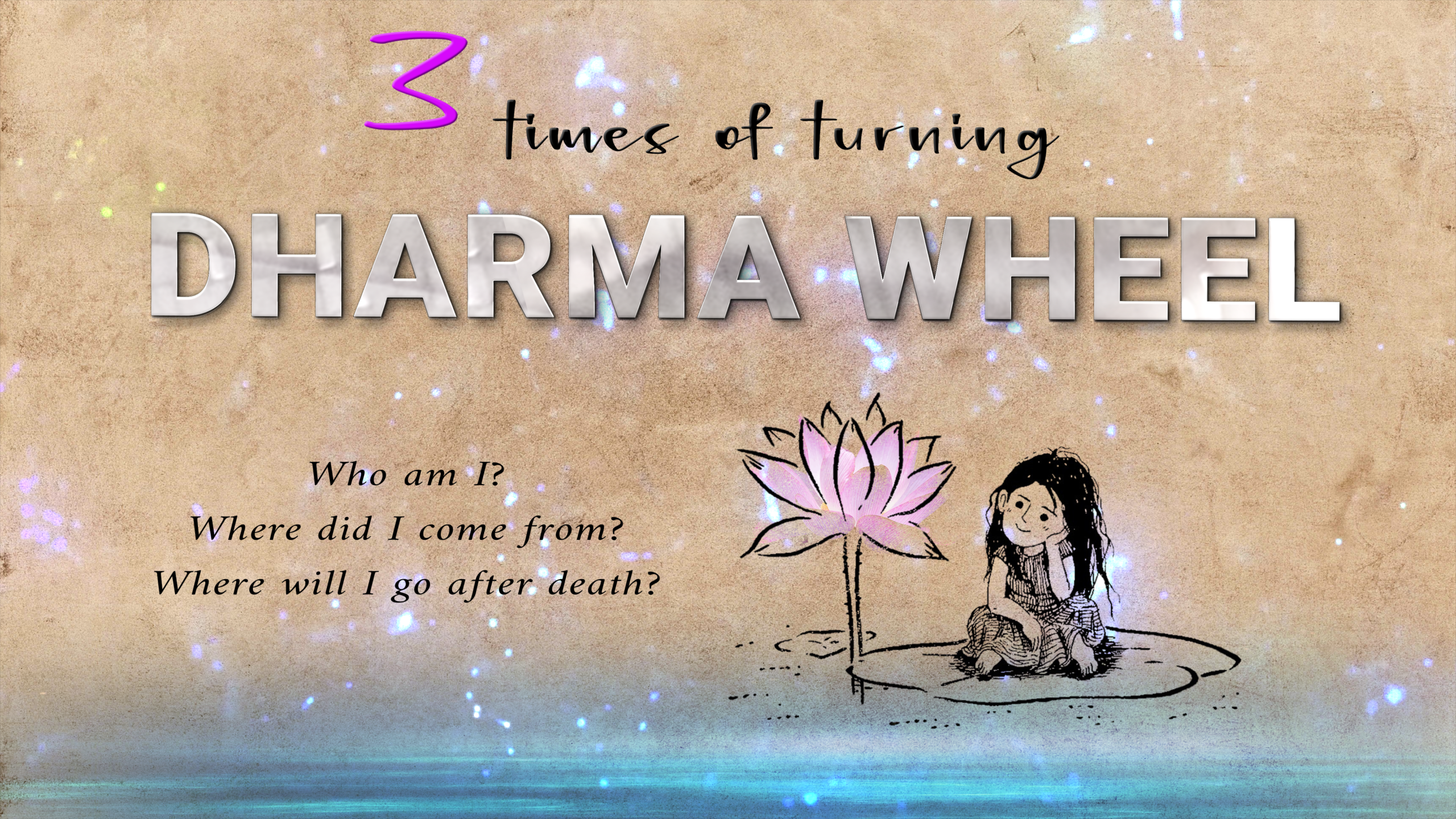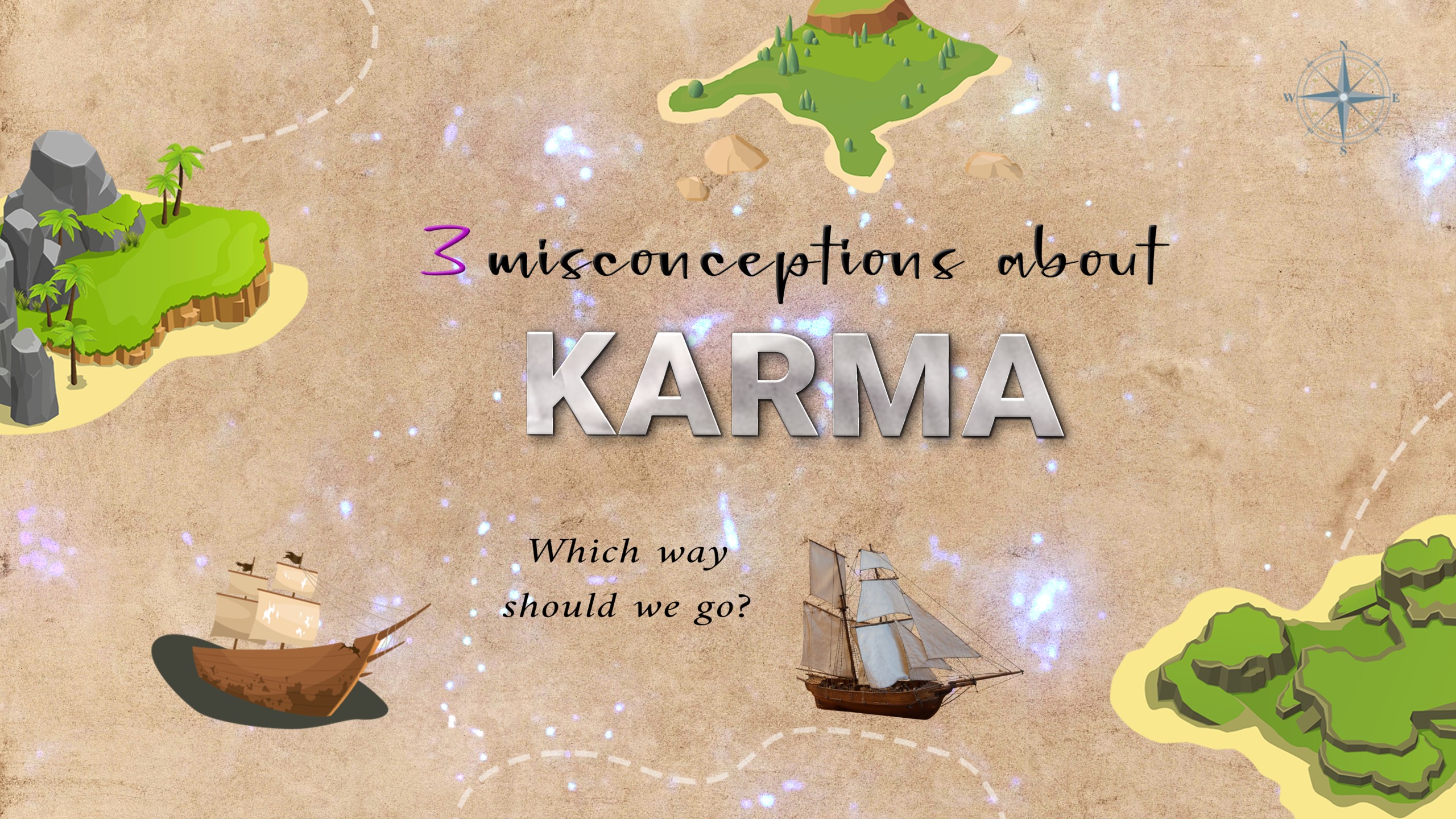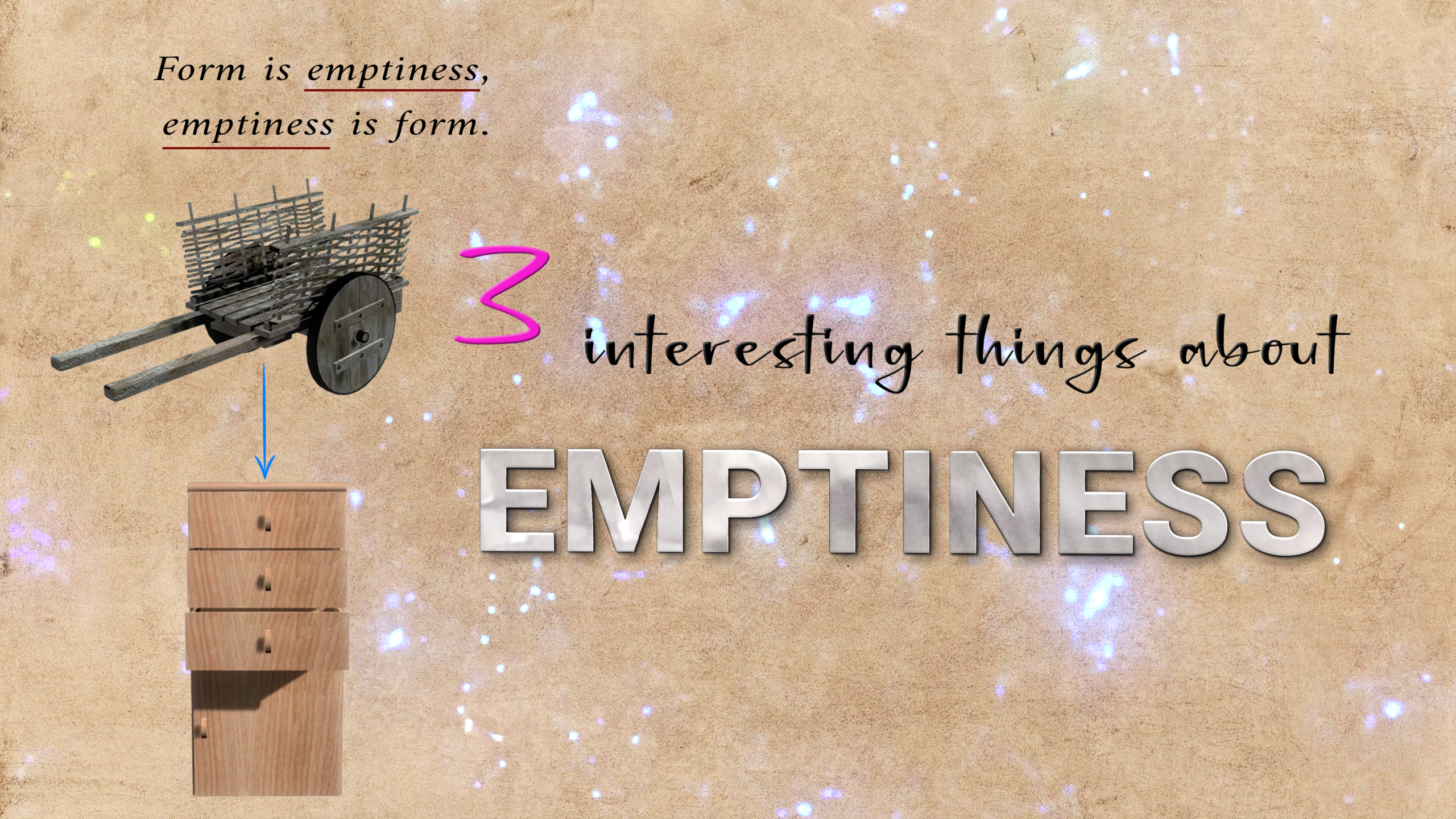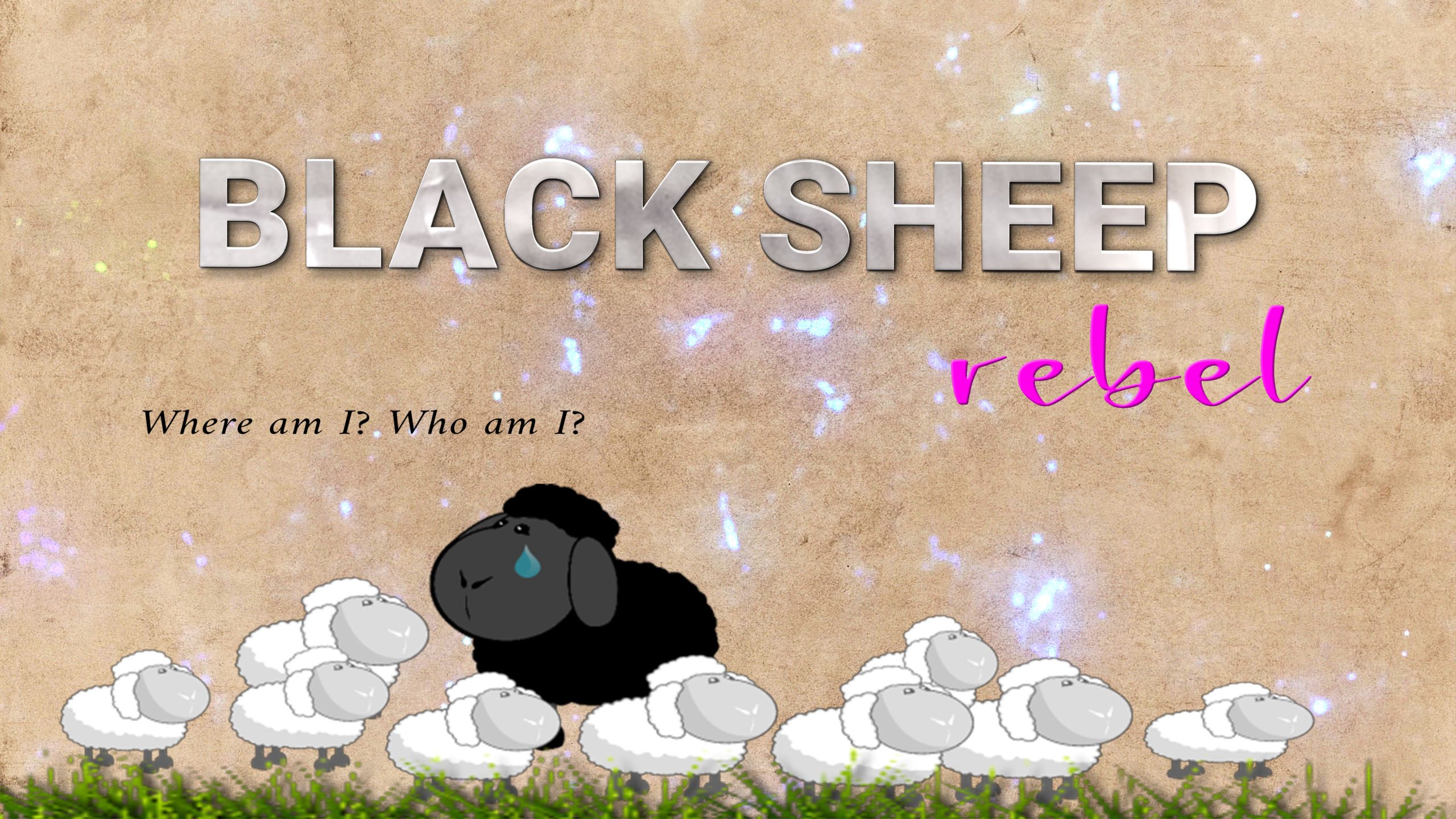


- Project Type: Public Showcase
- Category: Client Project.
- Usage: Portfolio / Non-commercial
- Applications: Youtube channel, Freedom Life
- Collaborator: Monk Tue Dang
- My Role: Animator
- My Contributions: Create explainer videos based on scripts by Tue Dang

Explain the Heart Sutra in a simple way under the guidance of Tue Dang
The Heart Sutra is essentially a concise essence of Prajna wisdom : a form of wisdom that is neither right nor wrong, but rather a kind of awareness that exists as a system of interconnections.

This awareness transforms you from within, and as a result, elevates your life externally.
CHALLENGES & SOLUTIONS
Challenge 1:
Distinguishing between what is real and what is not.
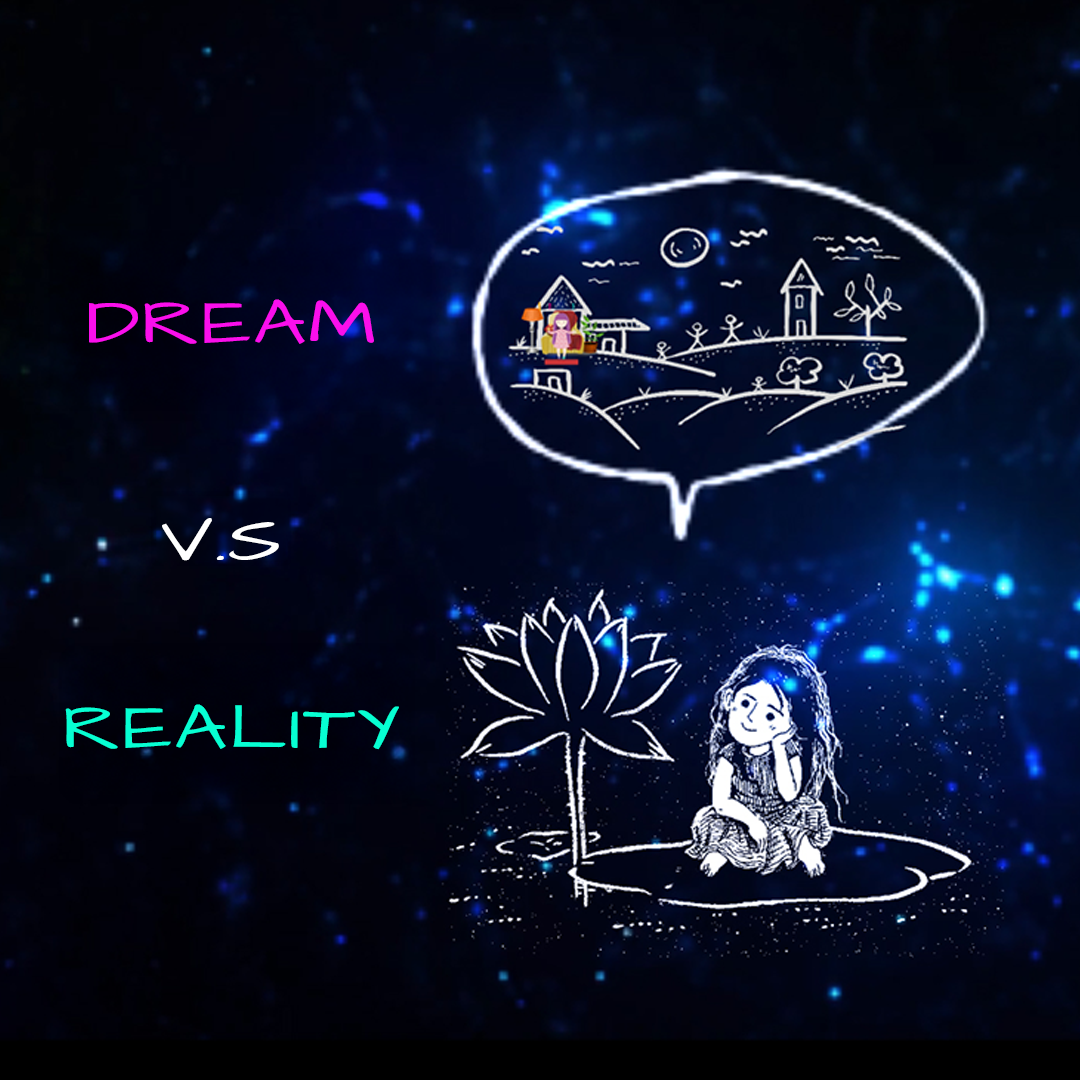
Interestingly, in Buddhism, the physical world we live in — the one we can touch and perceive — is considered illusory, while the world of the mind — invisible, formless, without physical substance — is seen as the true reality.
So crazy, it’s like realizing you are a character inside a sci-fi film, trying to convince yourself that it’s just a movie.

Solution 1:
After receiving the script, I discuss carefully with Tuệ Đăng to fully understand the core ideas, develop visual concepts, and choose suitable subjects for illustration.
I decided to use a simple visual style — minimal in effects, raw, rough, and desaturated — like the barren landscapes of the Tibetan plateau. Just like the line from Tibetan folktales: “The naked truth.”
Mood board

Challenge 2:
How can I visualize the invisible world of the mind, especially when dealing with complex and abstract Buddhist concepts?
Solution 2:
I aimed to simplify everything as much as possible. Everyday objects and familiar visuals — sourced from Pixabay (a free asset library with no copyright concerns) — were used for illustration.
Buddhist concepts are already highly complex and abstract, so the goal was simple: don’t make them even more complicated.
Challenge 3:
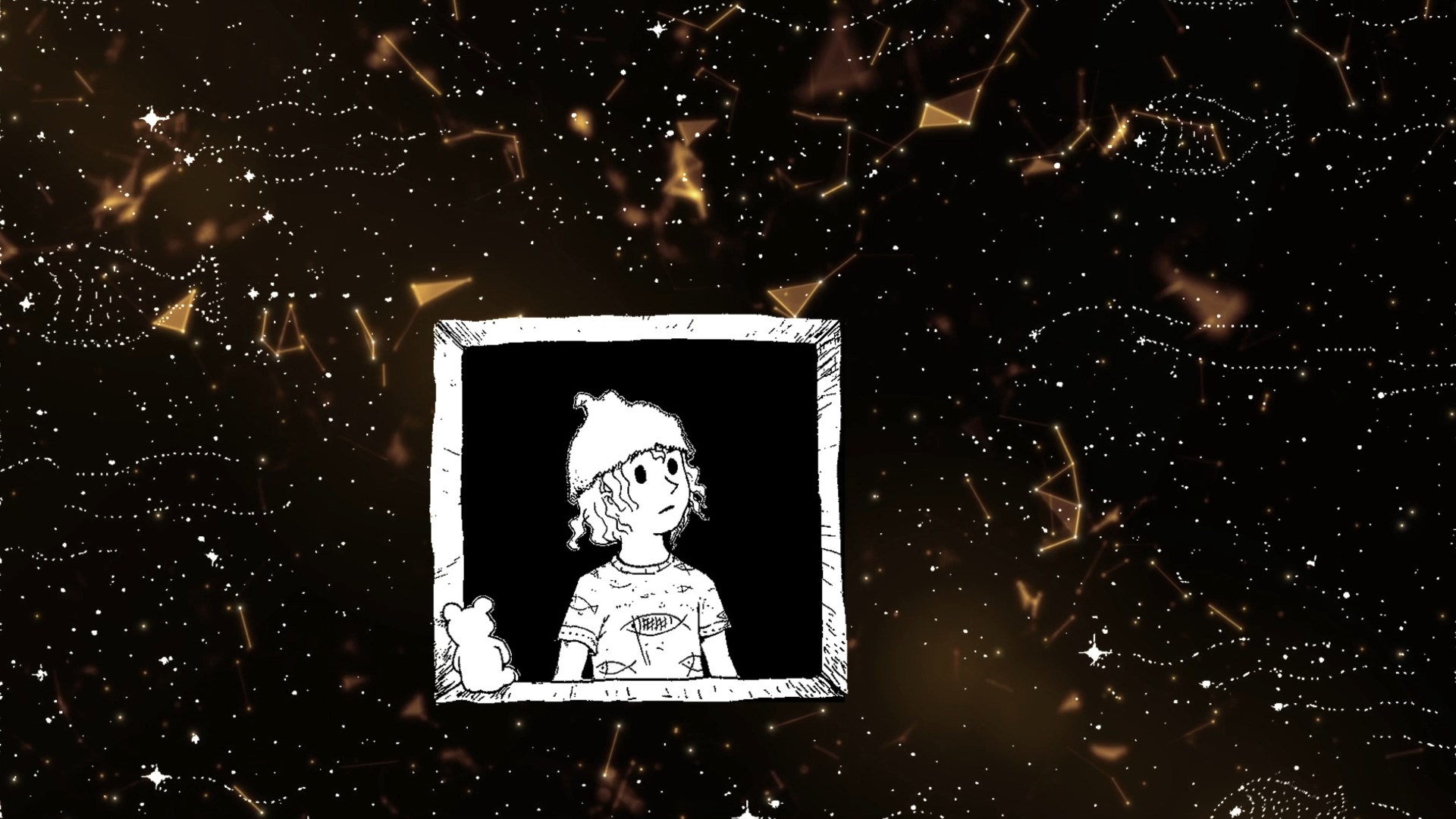
Even though the visuals were relatively simple — basic motion and compositing — the sheer number of elements was overwhelming.
Just take a look at how many small details are packed into a single frame like this.

Solution:
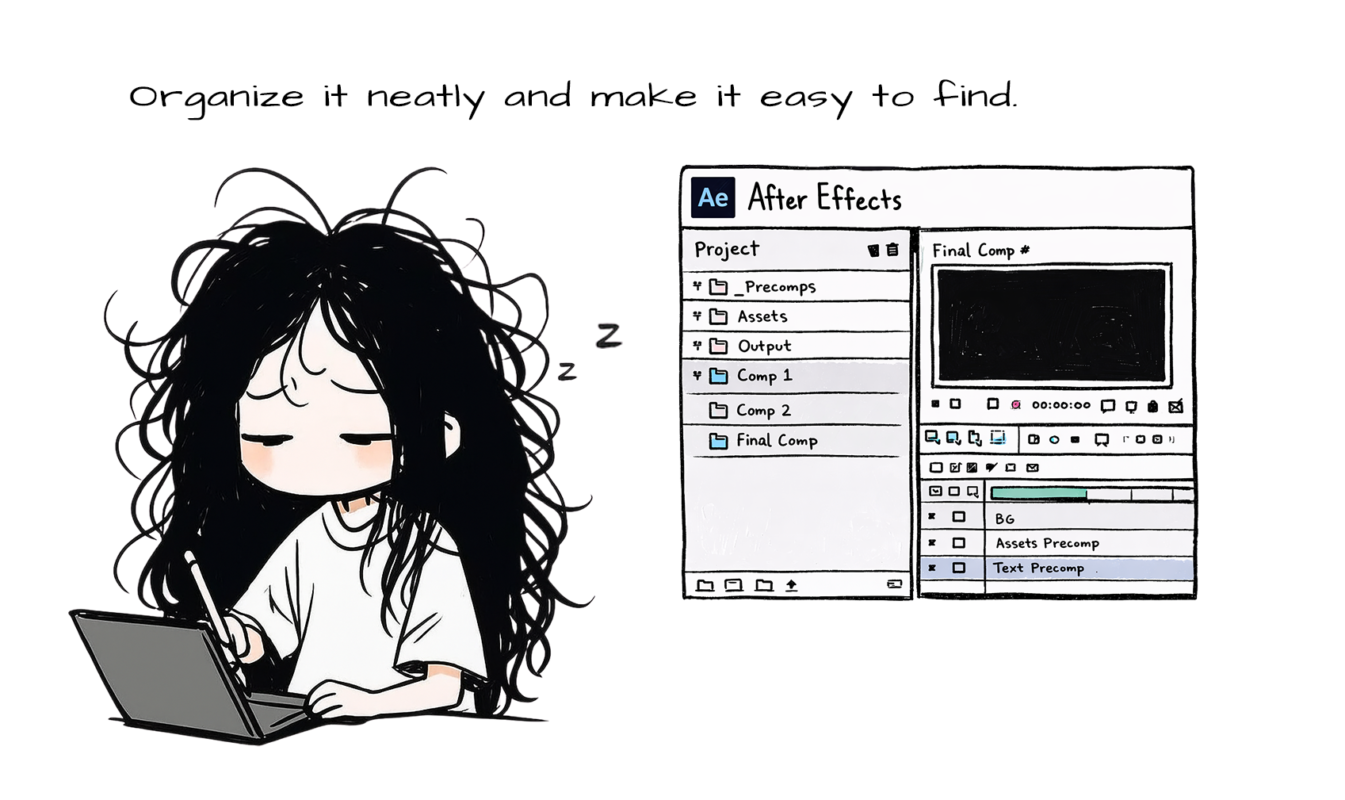
To handle this, I had to keep my workflow under very tight control. I broke everything down into multiple compositions, used clear naming conventions, and organized the project in Adobe After Effects in a structured and logical way so I could easily keep track of everything.
Without proper organization, even small adjustments would take a huge amount of time — simply because I wouldn’t know where to find that tiny detail (_ _!).
RESULTS
This video below explores and interprets the concept of emptiness in Prajñā wisdom from multiple perspectives. Its highlight is a short meditation segment that reflects on a familiar saying:
“The worldly life is like a dream, and when one awakens, the illusion dissolves. Life is like a play, and when one awakens, the play comes to an end.”
This video explores the impact of the environment on karma and causality, as well as what unfolds in the mind when encountering unfavorable conditions. A metaphorical video about the world within the mind.
The video Basic understanding of emptiness has reached
7.4K VIEW, 427 WATCH HOURS, and over 217 NEW SUBSCRIBERS.
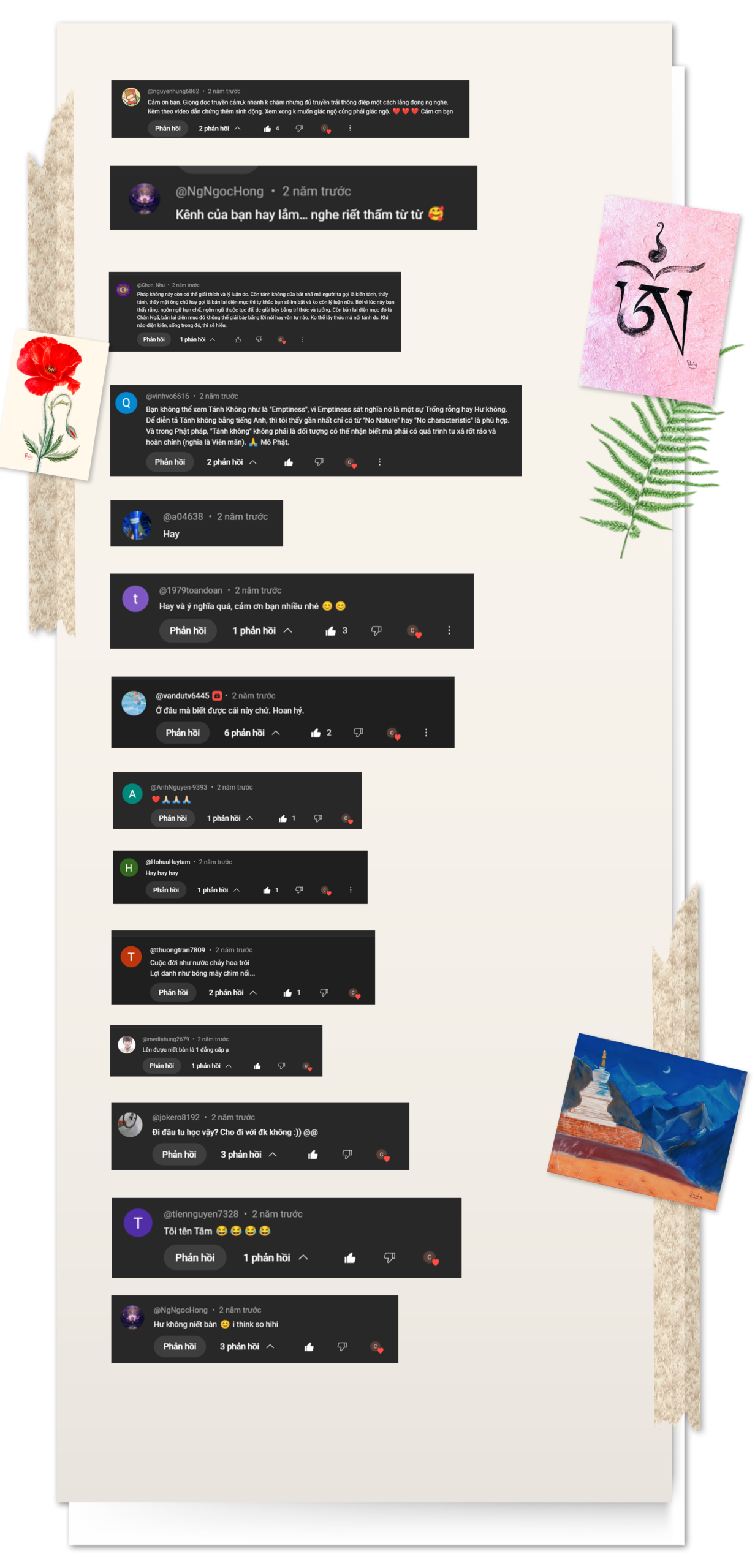
Along with some positive feedback about the content
REFLECTION
After this project, I felt truly happy not only because it was one of my first freelance jobs, but also because it was meaningful and brought value to others.
To me, Prajñā is a kind of insight, deeply positive and quietly liberating. A common phrase I often hear: “I have no other choice.”
But I also wonder: is it really the situation that limits our choices, or is it the structure of our own mind?

Thumbnail set for the channe